General tooth darkening
Natural teeth can change colour with age and exposure to staining foods, drinks or smoking.

Professional teeth whitening uses peroxide-based gel to lighten natural tooth structure after a dental assessment identifies suitability, existing restorations and possible causes of discolouration.
Whitening is a colour treatment, not a solution for every dark tooth. Fillings, crowns and veneers do not whiten, while decay, cracks or gum problems may need attention before elective treatment.
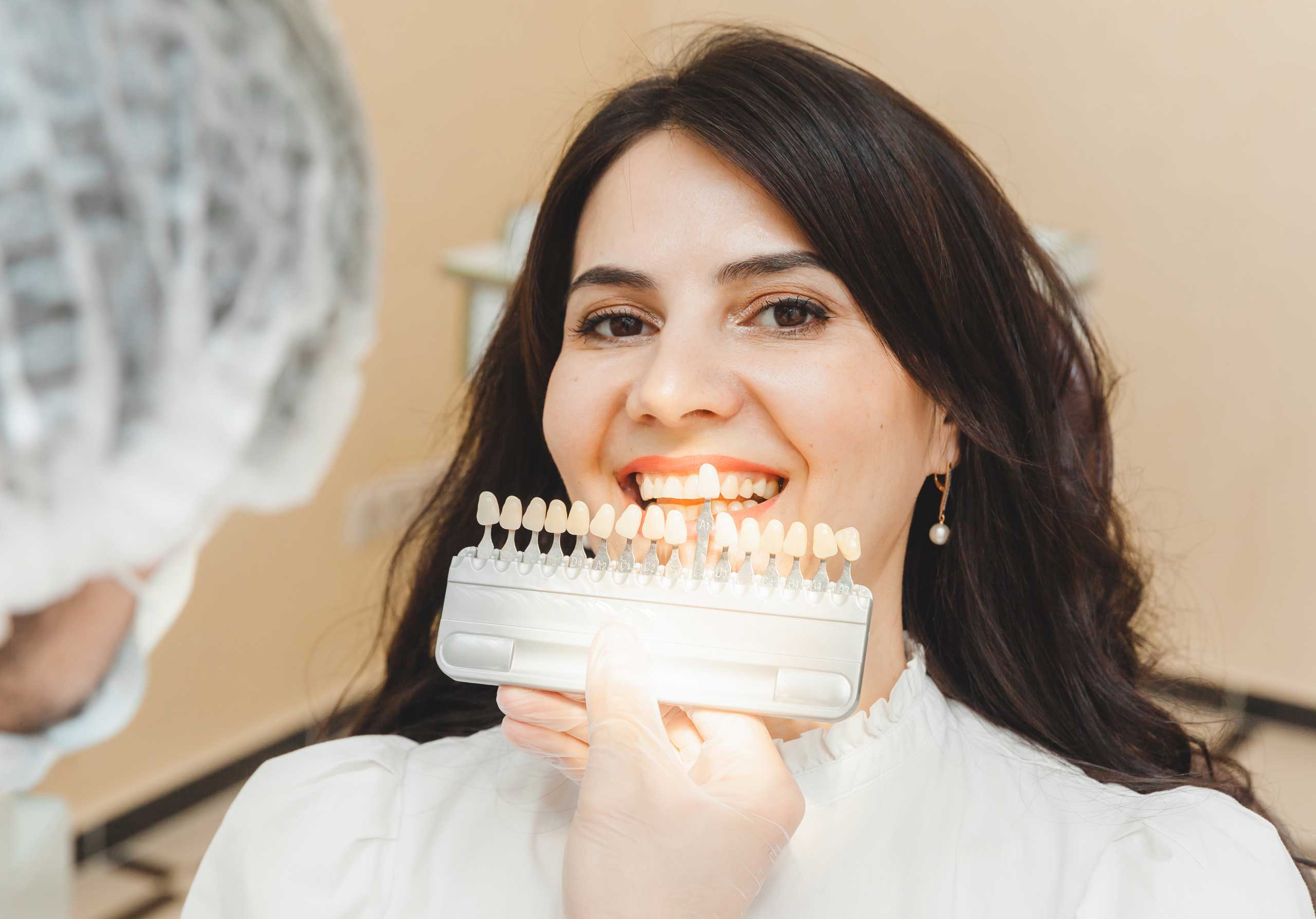
Surface stains from food, drinks or smoking differ from colour within the tooth. A single dark tooth may need investigation, while visible restorations may need separate planning if they no longer match after whitening.
Natural teeth can change colour with age and exposure to staining foods, drinks or smoking.
Whitening may be sequenced before matching new veneers, crowns or fillings.
Different teeth and types of discolouration can respond at different rates.
Sensitivity, cracks, recession and gum condition should be assessed before treatment.
Treatment recommendations depend on the findings, your health history and your preferences.
Identify discolouration, restorations, sensitivity and any disease that should be managed first.
Discuss suitable options, the methods available through your treating provider and expected limitations before deciding on treatment.
Monitor the response, manage sensitivity and discuss habits that influence future staining.
| Approach | How it is used | Important consideration |
|---|---|---|
| Dentist-supervised whitening | A gel-based treatment selected after assessment | Method, availability and expected response are confirmed at consultation |
| Professional cleaning | Removes deposits and selected external surface stains | Does not change the internal colour of a tooth |
| Whitening toothpaste | Helps remove or reduce external surface stains | Does not substantially change internal tooth colour |
| Veneer or crown | Covers selected discolouration | Restorative treatment with different risks and maintenance |
This page provides general information. A dentist needs to assess your mouth before recommending treatment. Risks, benefits, alternatives and likely costs vary.
No. Response varies with the cause of discolouration. Fillings, crowns, bridges, implants and veneers do not lighten with whitening gel.
Dentist-supervised whitening can be suitable after assessment, but temporary sensitivity and gum irritation can occur. Treatment should follow professional instructions.
The response cannot be guaranteed. Natural starting shade, discolouration type, tooth structure and treatment method all influence the result.
Results gradually change with time and exposure to staining foods, drinks and smoking. Maintenance varies between individuals.
Possibly, after assessment. The dentist may modify gel strength, frequency or preparation and should investigate untreated sensitivity first.
Often, because the final restorations can then be matched to the lightened teeth. Your dentist will recommend the appropriate sequence.
Arrange an assessment to discuss the concern, available options and likely fees.